
Tag: Neurodegeneration
-

The Quiet Toll Visceral Fat Takes on the Brain
Sustained visceral fat loss, independent of total weight change, is associated with attenuated brain atrophy and preserved cognitive performance years later.
-

The Immune Signals That Shape Mood and Memory
The immune-brain interface represents a critical regulatory nexus at the intersection of physical and mental health.
-
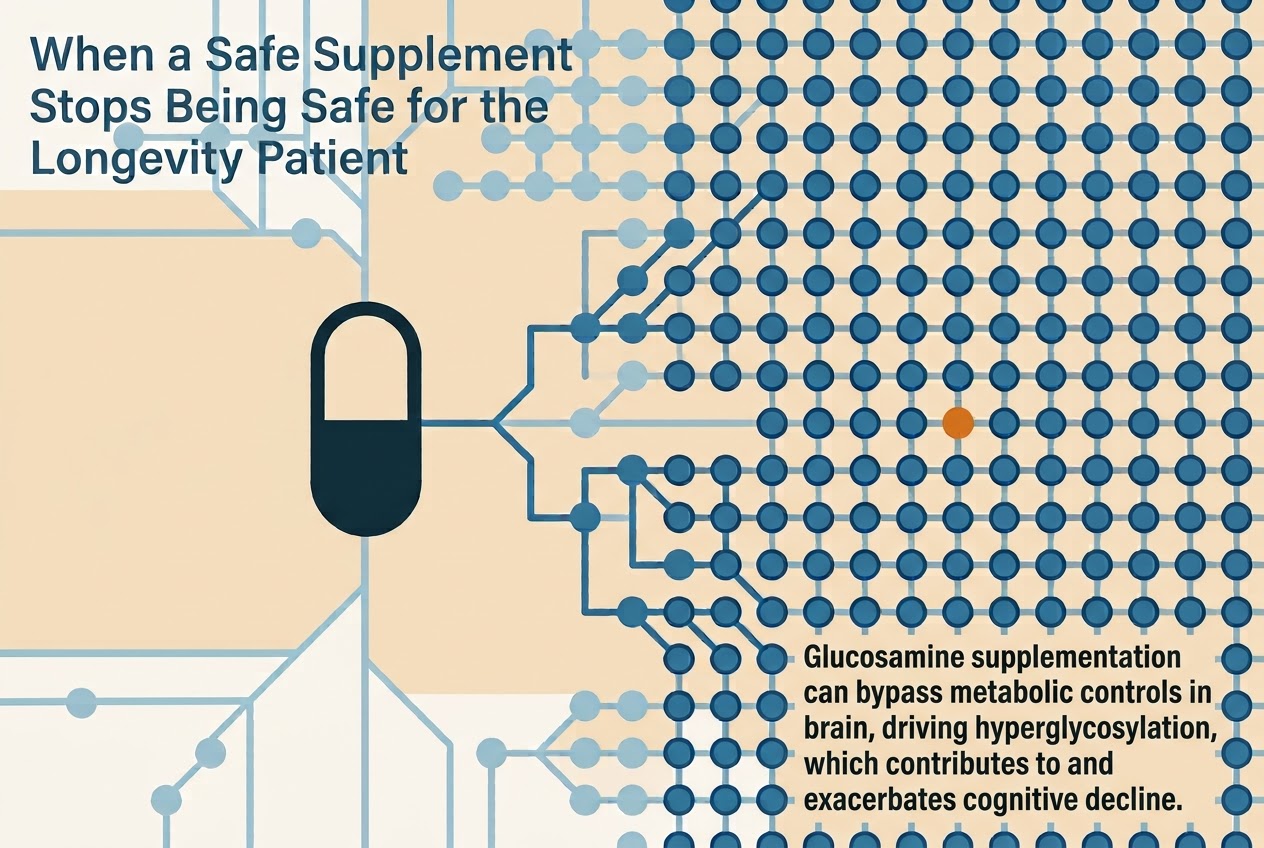
When a Safe Supplement Stops Being Safe for the Longevity Patient
Modifiable metabolic factors, including over-the-counter supplements long considered safe, may carry unrecognized neurological risk.
-

When the Airway Collapses the Microbiome Follows
OSA is not merely a mechanical disorder of the airway but a systemic disease in which the gut microbiome is both casualty and accomplice.
-

Why Myelin Repair Begins With Dietary Fat
The myelin sheath is, at its most fundamental level, a lipid structure and its repair is a lipid-demanding process.
-
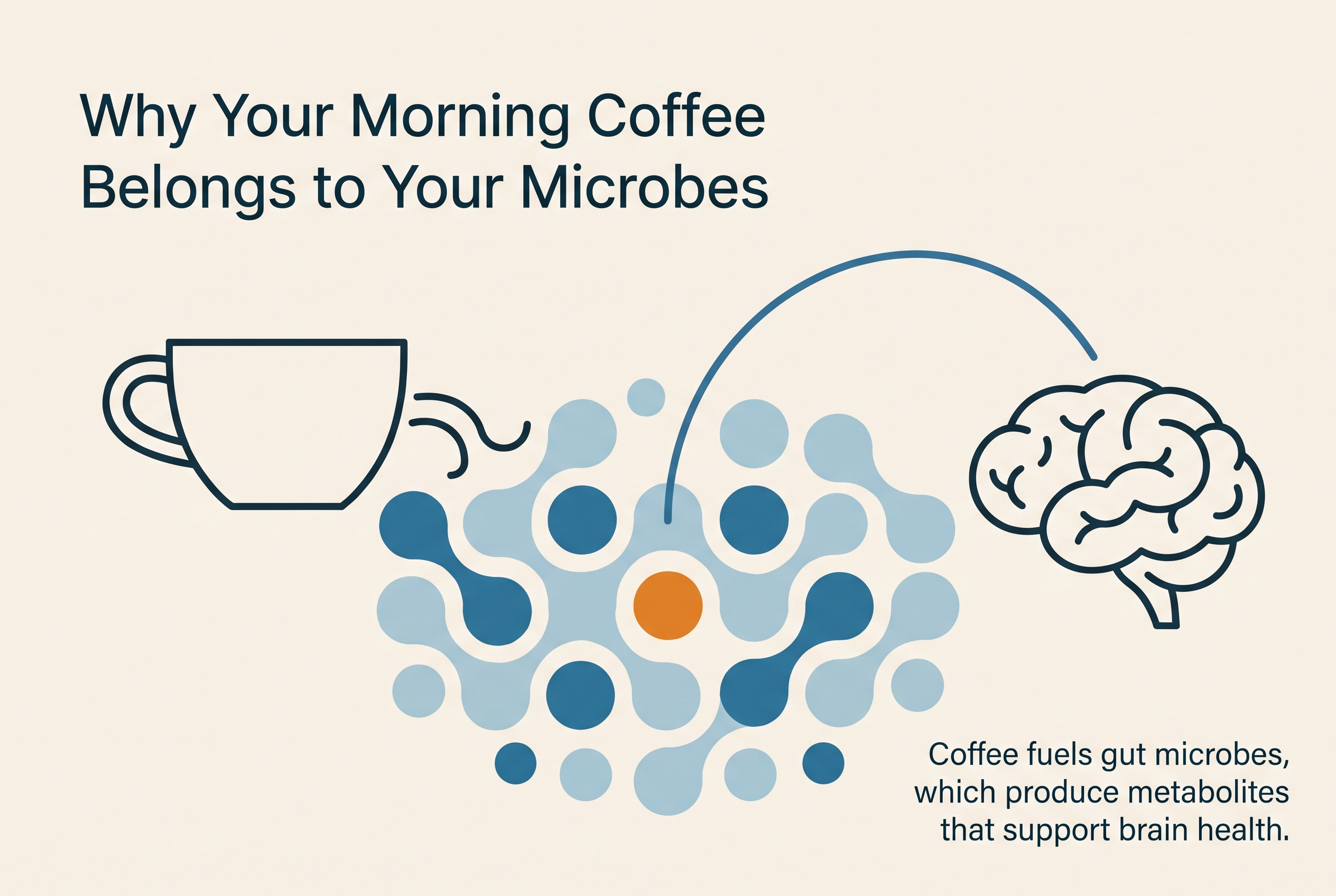
Why Your Morning Coffee Belongs to Your Microbes
When you drink coffee, you may not be drinking it for yourself, but for the trillions of microorganisms residing in your gastrointestinal tract.
-

Why the Timing of a Nap Matters More Than the Nap Itself
Short, consistent, early-afternoon naps are associated with more favorable cognitive trajectories, while long, morning, or highly irregular napping patterns track with worse outcomes.
-

When the Day Is Too Dim the Brain Forgets Faster
Daytime light exposure is not a peripheral lifestyle detail but a measurable, modifiable input into the biological machinery that protects the aging brain.
-

When the Body Becomes Its Own Gym
Calisthenics represents a scientifically validated, practically accessible, and cost-effective strategy for promoting healthy aging across the spectrum of biological, functional, and cognitive outcomes.